
Today, waste has become one of the most pressing environmental challenges. From food waste to plastic pollution, the way we produce, consume, and dispose of everyday products has a direct impact on the health of our planet.
How much waste does the world generate?
According to the United Nations Environment Programme (UNEP), the world generated over 2 billion tonnes of municipal solid waste in 2020, a number expected to grow significantly if current consumption patterns continue. Expanding landfills, increasing plastic pollution in oceans, and the rapid depletion of natural resources highlight the urgency of addressing this issue.
How much food is wasted globally?
The UNEP Food Waste Index Report (2021) estimates that 931 million tonnes of food are wasted globally each year, while the Food and Agriculture Organization (FAO) reports that roughly one-third of all food produced for human consumption is lost or wasted. When discarded food decomposes in landfills, it releases methane—a greenhouse gas far more potent than carbon dioxide and a significant contributor to climate change.
Plastic pollution further compounds the problem. According to the Organisation for Economic Co-operation and Development (OECD), global plastic waste reached 353 million tonnes in 2019, yet only 9% was successfully recycled. Meanwhile, the United Nations reports that millions of tonnes of plastic enter the oceans annually, threatening marine ecosystems and wildlife.
These challenges highlight the growing need for sustainable practices. While Kcal’s mission has always been to provide healthy and balanced meals, we also believe that true wellness extends beyond nutrition—it includes making responsible choices that reduce our environmental impact and support a more sustainable future.
Reducing Material Waste
One of the most important aspects of sustainability is reducing waste, especially single-use materials. Many everyday items are designed to be used once and then discarded, contributing significantly to landfill waste. Individuals can help by choosing reusable alternatives whenever possible, such as bringing reusable shopping bags, water bottles, or food containers. These small habits may seem insignificant at first, but when practiced consistently they can prevent hundreds of disposable items from ending up as waste each year.

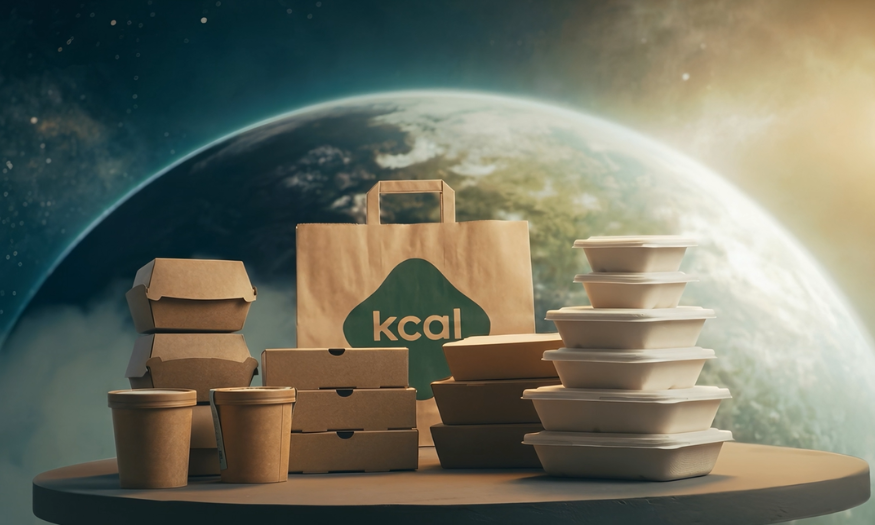
In the same spirit, our Kcal meals are packed using sturdy, biodegradable containers and utensils, including carton containers, recycled paper bags, and biodegradable plastic lids, spoons, forks, and straws that break down easily when disposed and can easily be composted. We also minimisze unnecessary packaging by consolidating certain meals into a single container, rather than multiple packages, and buying ingredients in bulk rather than individually packed items to further reduce our environmental impact.
How can I reduce my food waste?
You can help reduce your food waste in 3 main steps:
1. Mindful eating
You can reduce food waste through mindful food consumption. Food waste is one of the largest contributors to global waste, yet much of it can be avoided through simple daily habits. Planning meals ahead of time, buying only what is needed, and storing food properly can help households significantly reduce food waste. Leftover ingredients can often be repurposed into new meals rather than being thrown away.
2. Planning and portioning
Similarly, careful planning and portioning are part of how our kitchens operate, with continuous attention given to minimising food waste and ensuring ingredients are used responsibly.
3. Whole ingredients
Choosing whole and fresh ingredients is another way individuals can contribute to more sustainable living. Whole ingredients typically require less processing and packaging compared to heavily processed foods, which helps reduce the environmental footprint associated with production and transportation. Cooking with fresh ingredients also encourages healthier eating habits while supporting a more natural food system.
How does Kcal help reduce food waste?
This philosophy is reflected in the way our meals are designed, with a focus on whole ingredients and responsible preparation practices that maximize the use of every component. We continuously explore creative ways to fully utilise ingredients, helping to reduce food waste while maintaining the quality and integrity of our meals.
Our three-day pre–meal plan cutoff is a key part of this approach, allowing us to plan production accurately and minimise excess and waste. By following standardised recipes with precise ingredient measurements, we ensure consistency while efficiently utilizing all components of each ingredient.
Responsible Waste Disposal
Sustainability also involves being mindful of how we dispose of waste. Proper waste segregation plays a crucial role in recycling efforts. Separating recyclable materials such as paper, plastic, and glass allows them to be reused and repurposed instead of ending up in landfills. Communities that actively practice recycling can significantly reduce the amount of waste that goes into the environment.
As part of maintaining our ISO certification, we strictly adhere to government standards for waste disposal to ensure that we do not contribute to the growing waste problem.
Within our operations, waste is handled carefully through proper disposal practices and continuous efforts to recycle materials whenever possible. We also encourage clients to return their empty packaging, allowing us to collect and recycle it more efficiently as part of our ongoing commitment to reducing waste.
Recycling and Reuse
Beyond recycling, another sustainable habit is reusing and repurposing items. Before discarding something, it is worth considering whether it can serve another purpose. Containers, jars, and packaging materials can often be reused for storage or household organisation, extending their lifespan and reducing the demand for new products.
A similar principle applies to our delivery system, where durable delivery bags are designed for repeated use rather than being discarded after a single use. We ensure that our bags are sourced from reputable manufacturers, allowing them to withstand long-term use and reducing the need for frequent replacement.
Sustainability also extends to clothing and consumer goods. The fashion industry alone produces enormous amounts of textile waste every year. According to the United Nations Environment Programme, the fashion industry is responsible for approximately 10% of global carbon emissions and generates significant textile waste annually.
One way people can contribute is by donating clothes they no longer wear, participating in recycling initiatives, or choosing to buy fewer but higher-quality items that last longer. Community initiatives that promote clothing donations and recycling can help reduce waste while also supporting those who may benefit from these items. During Ramadan, we encourage similar practices by organising initiatives that collect clothes for recycling, turning acts of generosity into opportunities to reduce textile waste.
Supporting Local and Sustainable Businesses
Another meaningful way to support sustainability is by supporting small businesses that prioritisze environmentally responsible practices. Many small and local brands invest significant effort into producing natural, whole, and environmentally friendly products. These businesses often focus on sustainable sourcing, responsible production methods, and reduced packaging.
By choosing to support these brands, consumers help strengthen a market that values sustainability and ethical practices. It also encourages more businesses to adopt environmentally conscious approaches, something we strive to prioritize when selecting ingredients and partners who share similar values. Supporting local businesses can also reduce the distance products travel before reaching consumers, helping lower carbon emissions related to transportation.
Energy and Resource Conservation
Sustainability can also be practiced through mindful use of energy and natural resources. Simple habits such as turning off lights when they are not needed, conserving water, and using energy-efficient appliances can help reduce environmental impact over time. Even small adjustments in daily routines can collectively contribute to significant environmental benefits.
This same mindset influences how operational processes are regularly reviewed to ensure resources are used as efficiently as possible. For instance, in our kitchens we carefully monitor energy, water, and gas consumption to avoid unnecessary usage, and our delivery trucks are strategically routed to optimize fuel efficiency and help reduce unnecessary emissions.
Moving Toward a Sustainable Future
Ultimately, sustainability is about progress rather than perfection. No single individual or company can solve environmental challenges alone, but collective actions can create meaningful change. When people adopt sustainable habits and businesses commit to responsible practices, the positive impact becomes much larger.
Creating a more sustainable future begins with awareness and simple choices made every day. By reducing waste, recycling responsibly, choosing reusable products, minimizing food waste, and supporting environmentally responsible businesses, each person can play a role in protecting the planet.
Promoting healthy living has always been at the heart of what we do, but true wellness also includes caring for the environment around us. Through thoughtful practices and ongoing efforts to reduce waste and improve sustainability, we hope to contribute—however modestly—to a future where both people and the planet can thrive.
Sources
United Nations Environment Programme – Food Waste Index Report 2021
https://www.unep.org/resources/report/unep-food-waste-index-report-2021
Food and Agriculture Organization – Global Food Loss and Waste
https://www.fao.org/platform-food-loss-waste/en/
OECD – Global Plastics Outlook
https://www.oecd.org/environment/plastics/global-plastics-outlook/
United Nations Environment Programme – Global Waste Management Outlook
https://www.unep.org/resources/report/global-waste-management-outlook
UNEP – Sustainability and the Fashion Industry
https://www.unep.org/news-and-stories/story/putting-brakes-fast-fashion