Ramadan is a sacred month of fasting, reflection, and community. Across the Muslim world, families gather around vibrant iftar tables filled with dishes rich in history, flavor, and emotion. At the same time, modern nutrition science encourages balanced eating, proper hydration, and mindful portions to support health during fasting.
This often creates a question many people face during Ramadan. How can we respect traditional foods while also eating in ways that support our health and energy?
The encouraging news is that traditional Ramadan foods and modern nutrition can coexist with thoughtful choices, planning, and practical strategies.
The Cultural Importance of Traditional Ramadan Foods
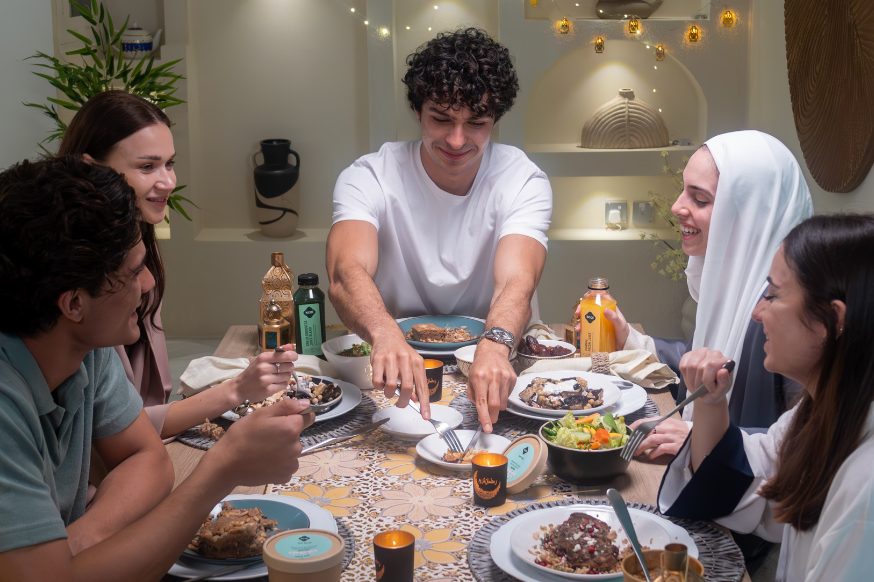
Ramadan meals are about far more than nourishment. They reflect culture, family traditions, and shared memories. Iftar gatherings bring loved ones together after a long day of fasting, often featuring dishes that feel more abundant and celebratory than everyday meals.
Traditional Ramadan foods carry nostalgia and emotional meaning. They symbolize generosity, gratitude, and connection within families and communities. It is natural for meals during this time to feel richer or more indulgent because celebration is part of the spirit of Ramadan.
The goal is not to replace traditional foods, but to find ways to enjoy them while also supporting overall health.
What Modern Nutrition Recommends During Ramadan
Modern nutrition science focuses on balanced meals, hydration, fiber intake, and adequate protein to support the body during fasting. These elements help maintain energy levels, prevent digestive discomfort, and support overall well being.
According to our Ramadan guide:
The Importance of Suhoor
The pre dawn meal plays an essential role in sustaining energy throughout the day. A balanced Suhoor should include complex carbohydrates, protein, and healthy fats. Foods such as whole grains, legumes, fruits, vegetables, eggs, and yogurt can help maintain steady energy during fasting hours.
Hydration Between Iftar and Suhoor
Drinking enough water during non fasting hours is essential. Hydrating foods such as soups, fruits, and vegetables also support fluid balance and help prevent dehydration, particularly in warm climates.
Balanced Portions for Better Energy
Nutrition experts often recommend filling half the plate with vegetables and fruits, one quarter with lean protein, and one quarter with whole grains. This balanced plate approach helps provide essential nutrients without overeating after fasting.
There is also a growing trend toward adapting traditional Ramadan dishes so they remain flavorful while supporting healthier eating habits. This may include protein rich dishes, hydrating soups, probiotic foods such as laban, and balanced snacks.
How Traditional Ramadan Foods and Modern Nutrition Can Work Together
Traditional foods and healthy nutrition habits can easily coexist with a few mindful strategies.
Start with Dates When Breaking the Fast
Breaking the fast with dates is both a meaningful tradition and a nutritious choice. Dates provide natural sugars that help restore energy quickly, along with fiber and essential minerals that support digestion.
Balance Rich Dishes with Nutrient Dense Sides
Traditional main dishes may be higher in calories, but pairing them with salads, vegetables, and light soups can improve the overall nutritional balance of the meal.
Hydrate Throughout the Evening
Drinking water regularly between Iftar and Suhoor helps replenish fluids lost during fasting. Hydrating fruits such as watermelon and cucumbers can also support hydration.
Practice Mindful Portion Control
Eating slowly and paying attention to portion sizes allows the body time to recognize fullness. This helps prevent discomfort and overeating after a long fast.
You can read more about healthy portioning on our previous blog.
Make Simple Adjustments to Traditional Recipes
Small cooking adjustments can improve the nutritional quality of traditional dishes. Baking instead of frying, choosing lean proteins, and replacing refined grains with whole grains can help create healthier meals without losing traditional flavors.
Ramadan as a Time for Reflection on Health and Well Being
Ramadan is a time for discipline, gratitude, and spiritual reflection. Food can also be part of this reflection by encouraging mindful choices that support both the body and the spirit.
Traditional meals nourish emotional connection and cultural identity, while balanced nutrition supports physical health and energy during fasting.
When both approaches are combined thoughtfully, they complement each other rather than compete.
Finding Balance During Ramadan
Traditional Ramadan foods and modern nutrition do not need to conflict. With awareness, balanced meal choices, and mindful eating habits, it is possible to enjoy beloved cultural dishes while also supporting long term health.
By embracing both tradition and nutrition, Ramadan meals can nourish the body, strengthen family bonds, and honor the deeper spirit of the month.